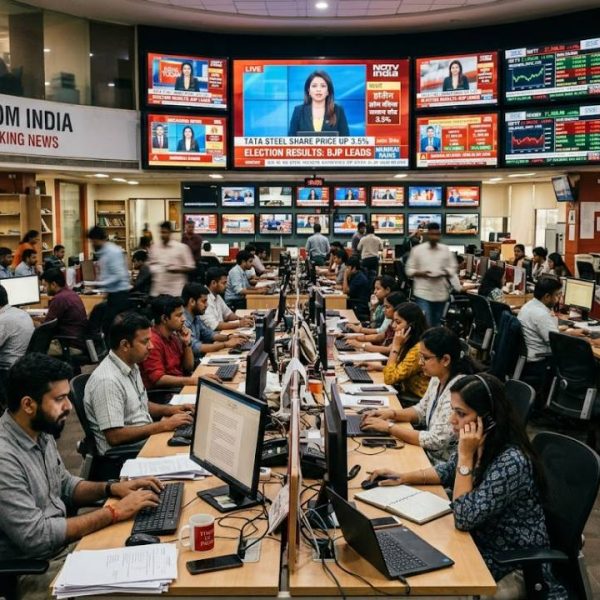

In a rapidly shifting global landscape, a handful of powerful trends are steering business decisions, reshaping consumer behavior, and influencing how companies position themselves for long‑term growth. Organizations that track these developments closely and act with agility can safeguard their competitiveness, uncover new revenue streams, and build resilience against economic volatility. Below is a breakdown of the main forces shaping today’s economic environment and how forward‑thinking businesses can respond.
1. Digital Transformation Accelerating Across Industries
Digital transformation has moved from a long‑term goal to an immediate necessity. Advances in cloud computing, AI, automation, and data analytics are redefining how companies operate, serve customers, and scale. Businesses are investing heavily in tools that streamline operations, reduce human error, and deliver real‑time insights for faster decision‑making.
This shift is not limited to tech‑centric firms. Manufacturers, retailers, healthcare providers, financial institutions, and even public sector organizations are adopting digital workflows and integrated platforms. Companies that fail to modernize risk higher costs, slower processes, and poor customer satisfaction—all factors that directly impact their bottom line. Meanwhile, digitally mature firms are capturing market share through better user experiences, agile product development, and data‑driven strategies.
2. Global Trade Reconfiguration and Supply Chain Realignment
Global trade is undergoing a structural recalibration. Geopolitical tensions, shifting trade agreements, and a push for supply chain resilience are reshaping how and where products are sourced and manufactured. Firms are diversifying their supplier base, relocating production closer to end markets, and adopting dual or multi‑sourcing models to hedge against disruptions.
This realignment creates both challenges and opportunities. While some sectors face rising input costs and logistical complexity, others benefit from nearshoring and new regional manufacturing hubs. Businesses that map their supply chain risks, maintain strategic inventory levels, and leverage data for demand forecasting are better positioned to navigate uncertainty and maintain continuity in critical operations.
3. Cross‑Border E‑Commerce and the Race for Global Visibility
Cross‑border e‑commerce has exploded as consumers increasingly shop beyond national borders, searching for better prices, unique products, and more convenience. This trend is particularly evident in sectors like fashion, electronics, beauty, software, and digital services. As a result, companies are racing to build a visible and trustworthy presence in multiple markets at once.
To succeed, brands must do more than translate product pages—they need locally relevant search visibility in every target market. That is why demand for multilingual SEO services is rising sharply, helping businesses adapt keywords, on‑page content, and technical SEO elements to match local search habits, cultural nuances, and regulatory frameworks in each country they serve.
4. Inflation, Interest Rates, and Shifting Consumer Priorities
Inflation and interest rate movements remain central to business planning. Rising prices can squeeze margins as input costs climb, while higher borrowing costs can slow investment and dampen consumer credit usage. These pressures are prompting households to rethink budgets, prioritize essentials, and become more selective in their discretionary spending.
For businesses, this means sharpening their value proposition. Brands are rethinking pricing strategies, enhancing product durability, offering loyalty programs, and providing flexible payment options. Firms that clearly communicate value—through transparency, quality, and consistent service—stand a better chance of retaining customers when wallets tighten. Data‑driven segmentation and personalized offers are also becoming crucial in aligning product offerings with evolving consumer priorities.
5. Labor Market Evolution and the Skills Gap
Labor markets worldwide are being reshaped by demographic change, technological disruption, and new work models. On one side, many economies face talent shortages in specialized fields like cybersecurity, data science, engineering, healthcare, and advanced manufacturing. On the other, automation is transforming roles, pushing workers to reskill or upskill to remain relevant.
Employers are responding with hybrid work arrangements, targeted training programs, and more flexible hiring practices, including tapping into global talent pools. Countries and companies that invest in continuous learning, vocational training, and digital skills development are more likely to close the skills gap and maintain productivity growth. Businesses that support lifelong learning and internal mobility also tend to enjoy higher retention and organizational agility.
6. Sustainability, ESG, and Regulatory Pressures
Environmental, social, and governance (ESG) factors are no longer peripheral—they are central to long‑term strategy. Climate‑related regulations, carbon pricing mechanisms, and evolving disclosure standards are compelling companies to measure and reduce their environmental impact. Investors, regulators, and consumers are all demanding clearer proof of sustainable practices.
Firms that proactively improve energy efficiency, optimize resource use, and embrace circular economy principles often see not just reputational benefits but operational savings. Meanwhile, social and governance elements—such as diversity, labor standards, anti‑corruption measures, and transparent reporting—help build resilience, trust, and access to capital. As ESG expectations grow, businesses that treat sustainability as a strategic driver instead of a compliance checkbox will have a competitive edge.
7. Technological Innovation in Finance and Payments
Financial technology innovations are altering how businesses manage cash flow, access credit, and accept payments. Digital wallets, instant payments, open banking, and embedded finance are shortening transaction times and lowering barriers to entry for smaller firms. Alternative financing models and online lending platforms are giving entrepreneurs new funding options beyond traditional banks.
For consumers, these innovations make transactions faster and more convenient, encouraging greater participation in digital commerce. For businesses, they can mean better liquidity management, improved customer experiences, and streamlined back‑office processes. Organizations that integrate modern payment solutions and data‑driven financial tools are well positioned to expand, especially in markets where digital finance is leapfrogging legacy systems.
Conclusion: Turning Economic Shifts into Strategic Advantage
The forces shaping today’s economy are complex but deeply interconnected. Digital transformation, global trade realignment, evolving consumer behavior, labor market shifts, sustainability demands, and financial innovation all influence how companies grow and compete. Treating these dynamics as strategic signals instead of background noise allows businesses to anticipate change, rather than merely react to it.
Organizations that invest in technology, adapt to regulatory and market realities, engage with global customers in their own languages, and build agile, skilled workforces will be better prepared for both risk and opportunity. By understanding and acting on these key trends, business leaders can convert uncertainty into sustainable growth and position their organizations for long‑term success in an ever‑changing economic landscape.